 SAKER
SAKER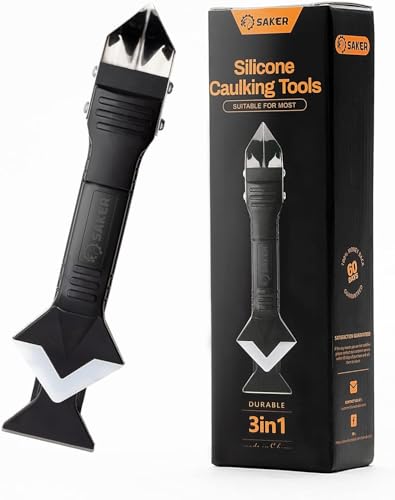
Silicone Caulking Tool, Classic Black
Scrape out stubborn old beads and shape fresh sealant around sinks, tubs, and window frames with one hand tool.
$12.994.1 out of 5 8,634 ratings
The bench itself: laying out, marking, drilling, joining and keeping the edges that do the cutting.
75 pieces land here, drawn from 5 shelves.
Most of what goes wrong at a bench went wrong before anything was cut. Marking tools earn their space by making the mistake visible while it is still a line.
Making the same part twice is a job for a jig, a stop block or a template. Doing it by measurement each time introduces a new error each time.
Chains, blades and bits go dull long before they wear out. A file and a stone at the bench keep a working edge for years.
Driver sets, doweling jigs, handle templates and the small rigs that put a screw where you meant it to go.
Scrape out stubborn old beads and shape fresh sealant around sinks, tubs, and window frames with one hand tool.
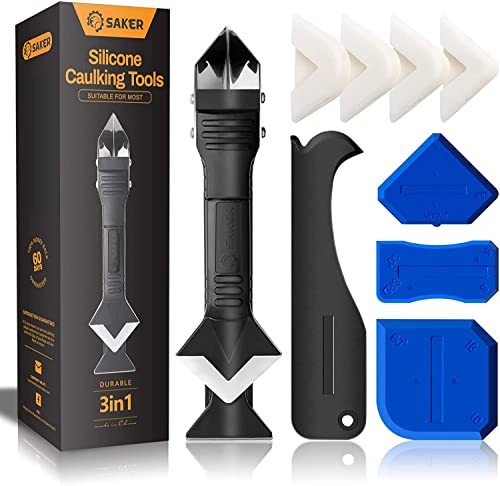
A combination scraper and smoother that clears out hardened sealant and shapes the fresh bead without masking tape.
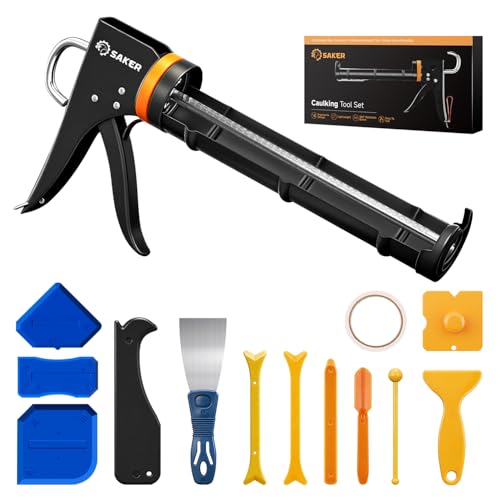
A manual dripless cradle gun packed with scrapers, corner shapers, a putty knife, and finishing tools for clearing out dry bead and laying fresh lines.
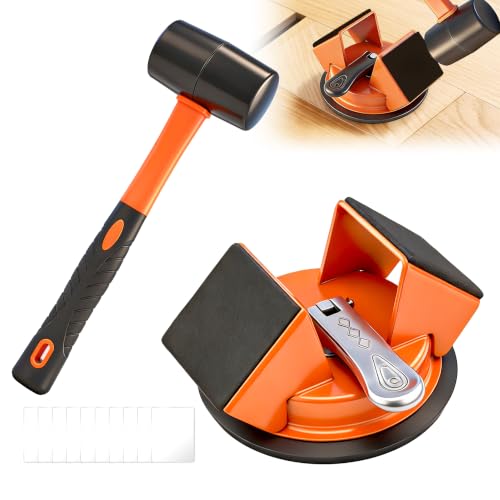
Grips smooth boards and lets you tap them back into line before winter leaves dark splits across the hallway.

Scrape out cracked beads, hook old grout from tub corners, and smooth fresh silicone along the tile line without dragging masking tape along the wall.
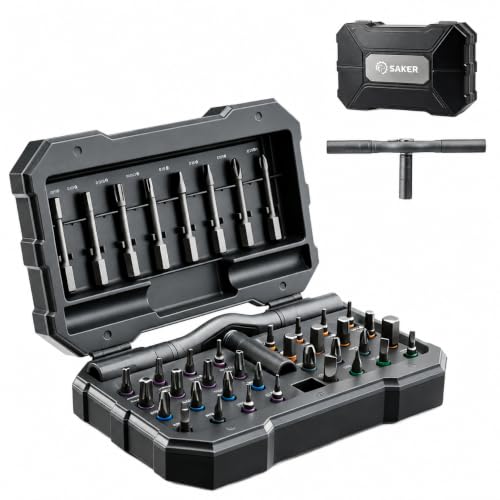
A ratcheting driver set with a magnetic grip, hardened alloy bits, and a swappable T-handle setup for working in tight spots around the house.
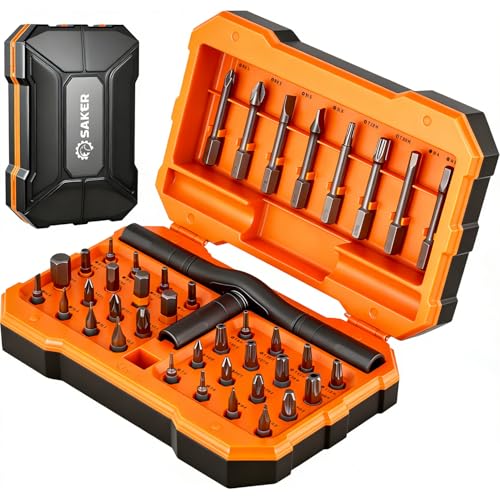
This kit pairs tough alloy bits with an adjustable magnetic ratchet handle for tight cabinet corners and loose bench hardware.
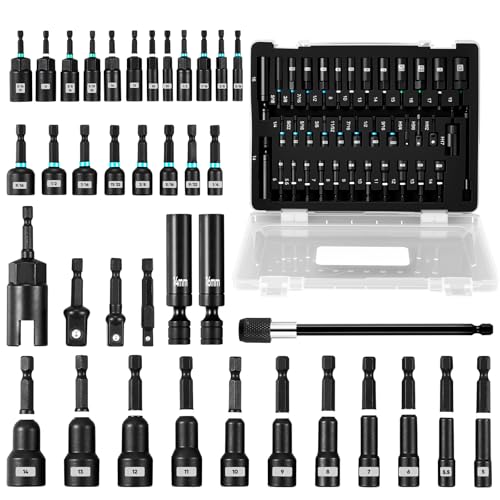
A full tray of chrome-vanadium magnetic sockets, deep wells, and adapters built to grab fast and stay locked on the bolt head.
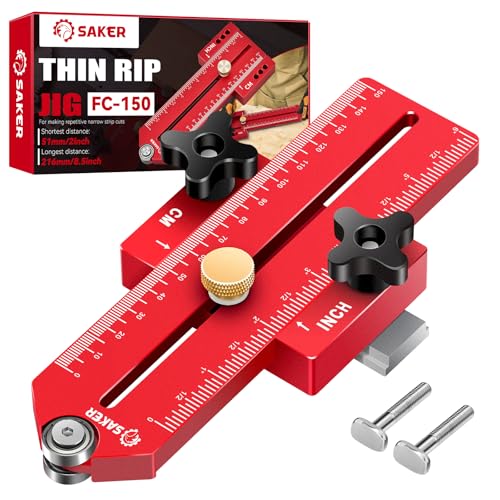
Stands in the miter slot to set repeated narrow cuts on the saw, keeping thin stock from binding between the blade and the fence.
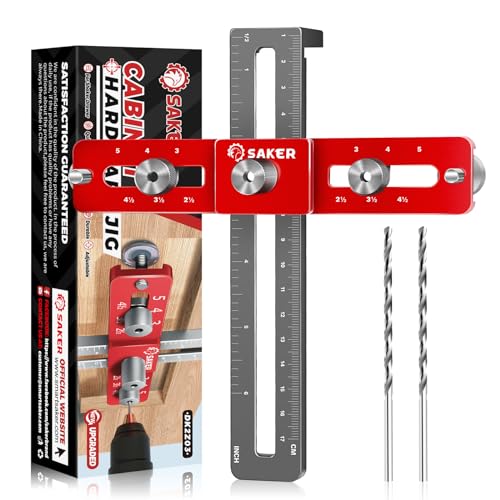
Aluminum hardware jig sets your drill holes at matched spacing across cabinet faces so handles and pulls line up straight across the room.
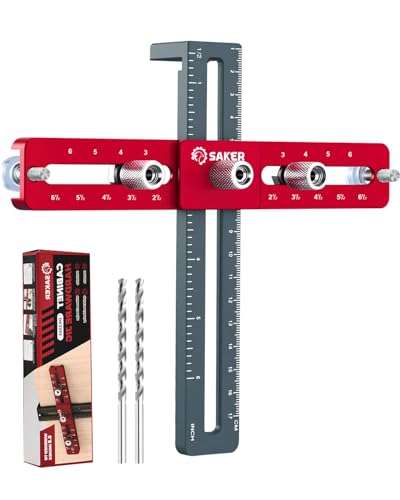
Set the center nut once, clamp the aluminum guide to the drawer face, and drill the handle holes where they belong without marking each front by hand.
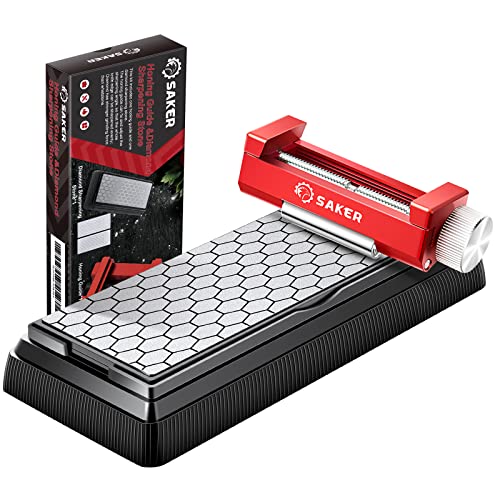
Set the bevel once and roll across the stone without the wobble that rounds off cutting edges.
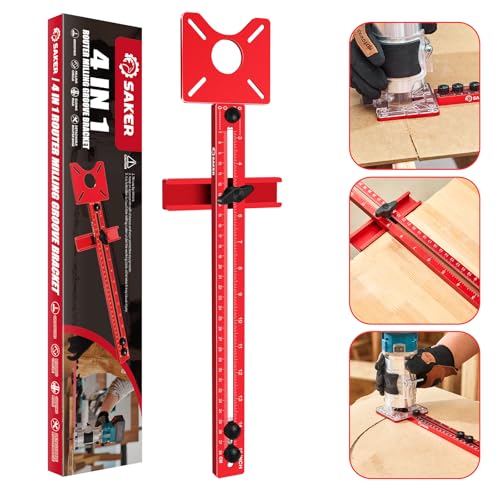
Circles and straight mortises need clean pivots, so we built this aluminum base to guide your palm router through sheet goods and hardwood boards.
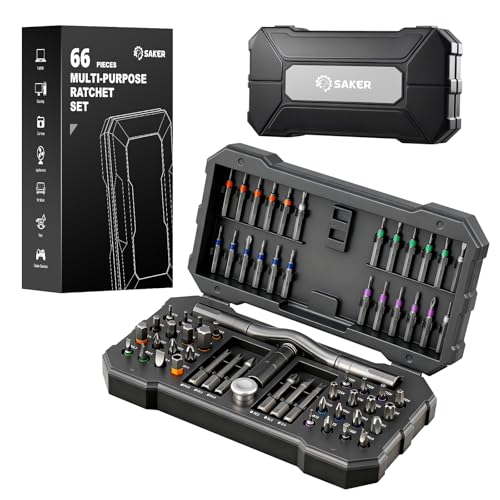
A pocketable case of machined steel bits paired with a ratcheting driver handle that converts to a T grip when stubborn fasteners refuse to turn.
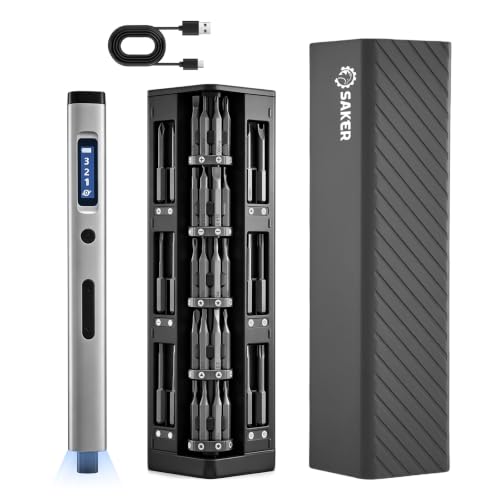
Small fasteners on laptops and eyeglasses need a driver that stops before threads strip, packed in a pop-up case with its own steel bits.
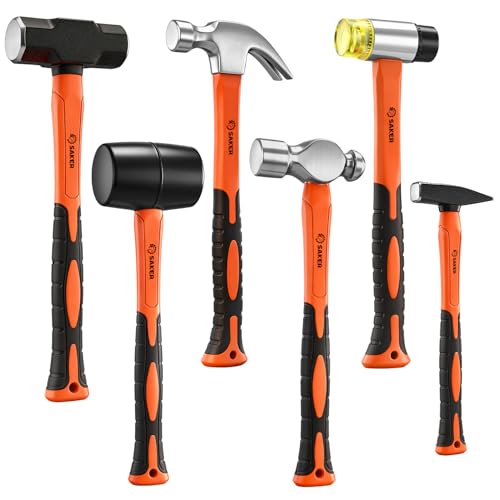
Six distinct striking tools cover everything from framing a shed corner to seating soft pine joints without leaving a dent.
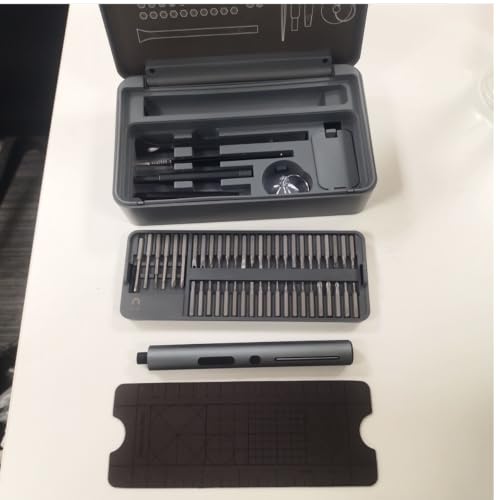
A slender cordless driver with a tray of magnetic bits, built for tiny fasteners in handheld electronics, camera bodies, and game controllers.
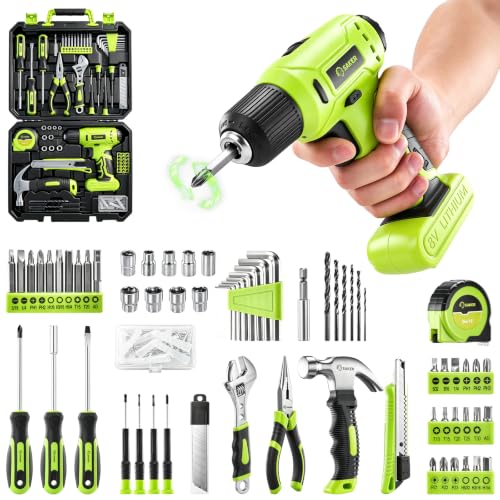
A cordless drill packed alongside the hand drivers, bits, and common bench tools needed for furniture assembly and wall hardware.
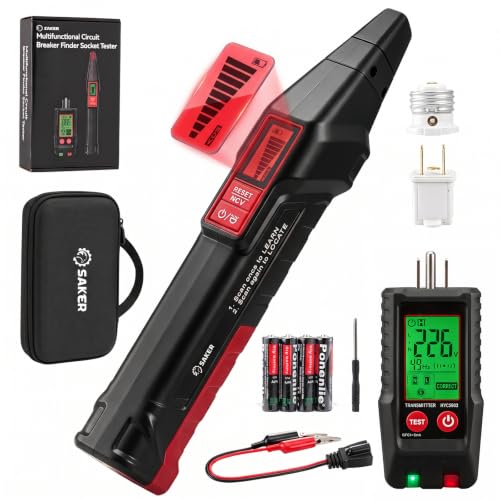
Map circuits back to the panel and check outlet wiring with one handheld set that keeps readings on screen after you pull it.
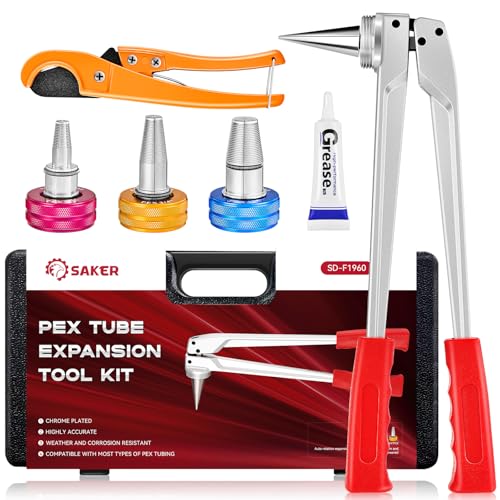
Expand flexible type-A tubing by hand using three interchangeable heads, a dedicated cutter, and a molded case that keeps the set together.
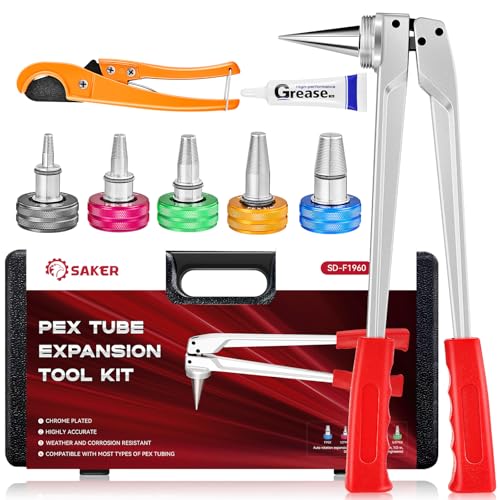
This hand expander opens flexible water tubing wide enough to slip over brass or polymer barbs and includes five heads in the hard case.
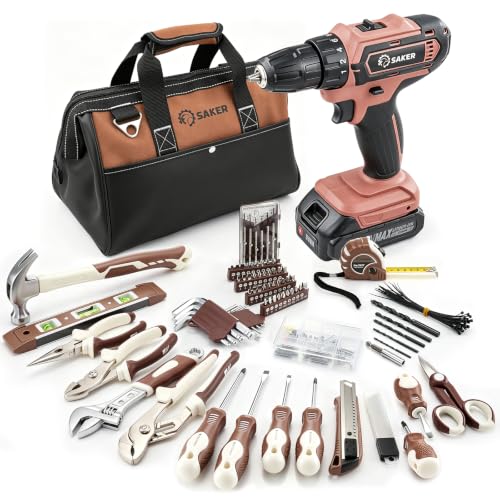
This kit pairs a cordless drill and battery with the hand tools needed to hang shelves, tighten hardware, and sort out basic repairs around the house.
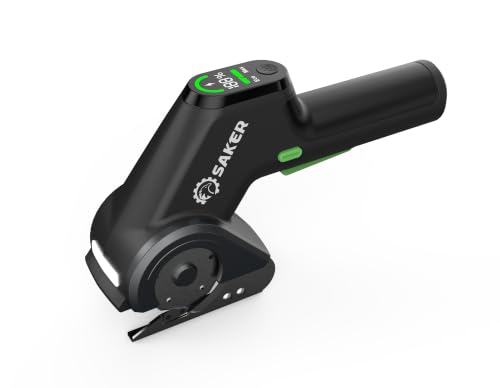
Cardboard piles up in the corner of the garage, and this cordless electric cutter chews through corrugated flats without chewing up your palm.
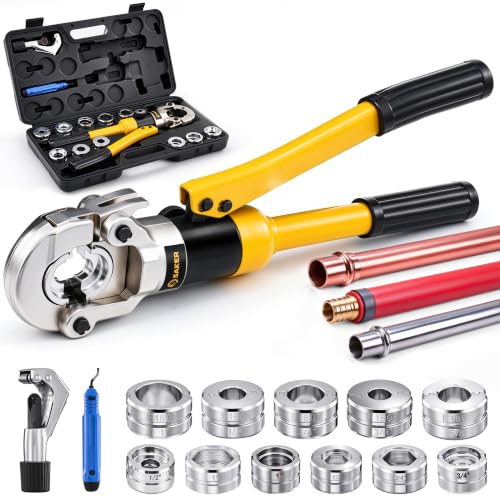
A manual hydraulic crimper with swappable dies for copper and PEX lines, sized to swing under a sink and squeeze fittings closed.

A high-frequency vibration cutter that trims thin plastic, resin, and printed parts without forcing a heavy blade through the line.
Listings that ship two pieces together: a welder with the rods or the helmet it needs, a garden cart with the kneeler or the trimmer that works beside it.
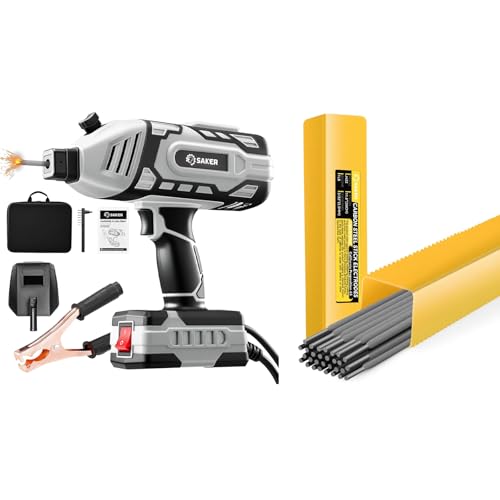
A handheld stick welder in gray finish, packed with a starter bundle of steel rods so you can strike an arc right away.
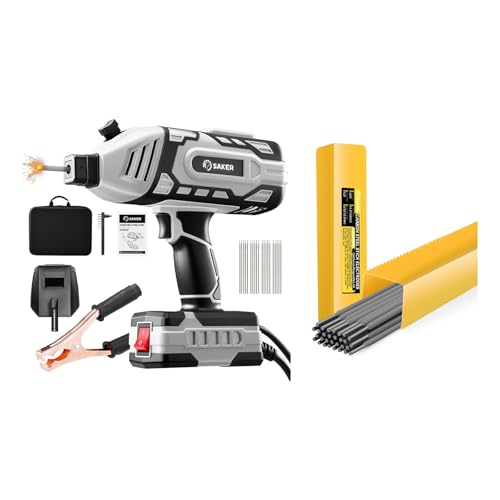
This small stick welder packs along a starter bundle of steel rods so you can start running beads on iron or carbon steel without an extra trip.
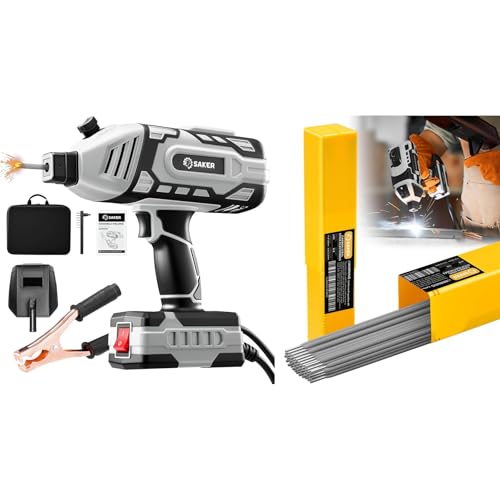
A handheld stick welder packed together with a supply of general repair electrodes so you can strike an arc right out of the cardboard carton.
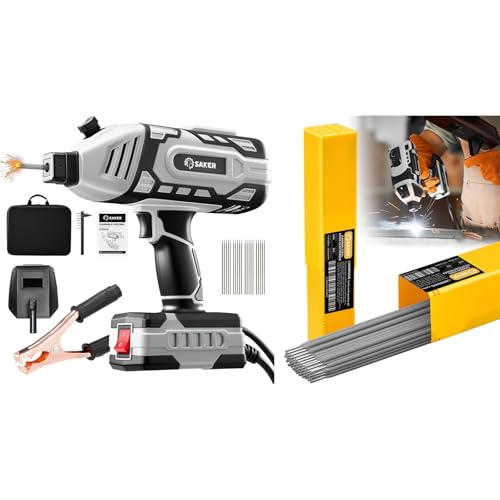
A compact gray stick welder paired with a pack of general purpose rods for mending steel gates, brackets, and yard tools right out of the box.
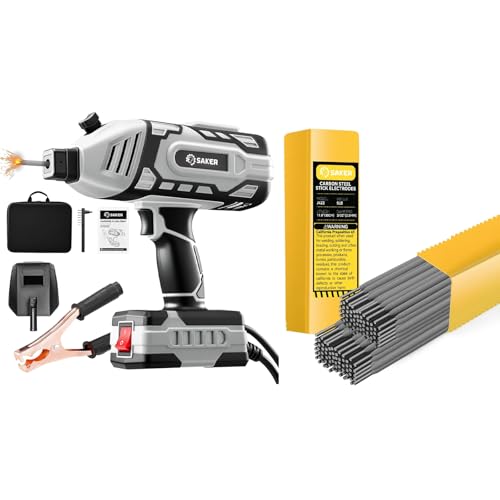
A portable stick welding unit boxed together with five pounds of carbon steel rods for quick repairs on gates and brackets.
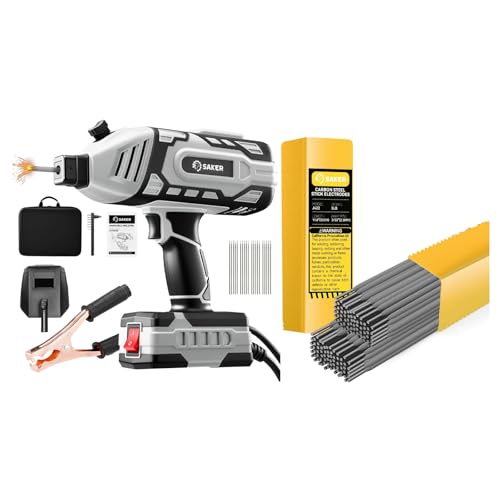
A handheld welding machine bundled with a pack of low-carbon steel rods for fixing iron gates and garden trailers right at the bench.
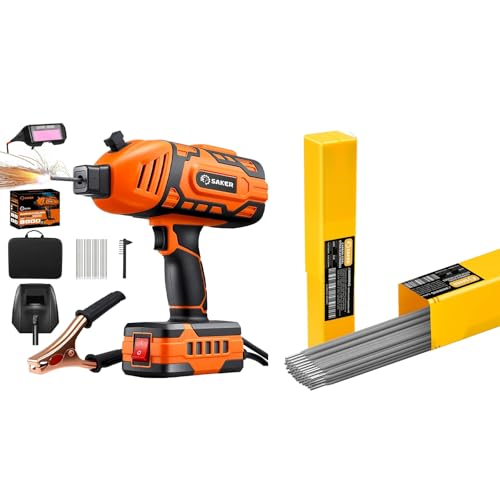
This small orange stick machine packs with its own pack of general steel rods so you can strike an arc right out of the crate.
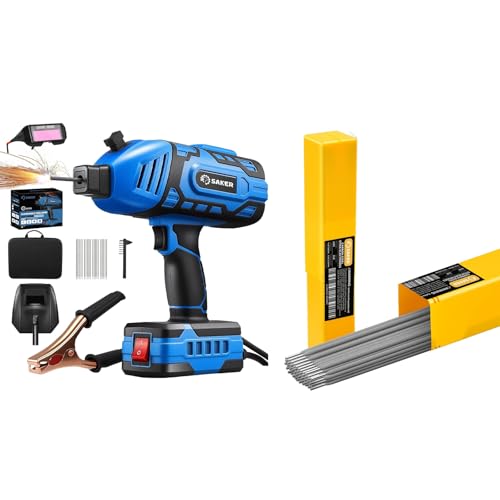
The blue stick welder pairs with a bundle of rods in one box, ready for broken brackets, gate latches, and mower deck cracks on the bench.
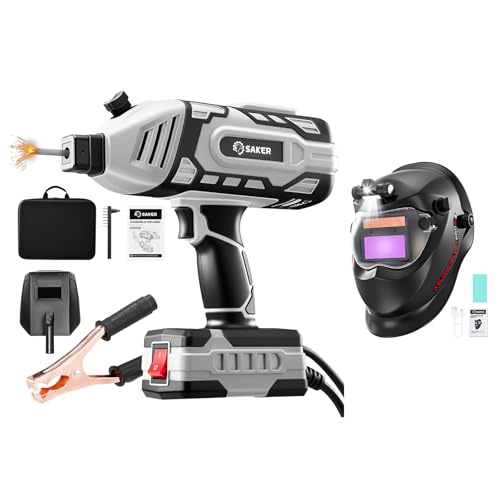
The small stick welder and a darkening hood packed in one carton, ready for a broken gate hinge or an iron bracket on the bench.
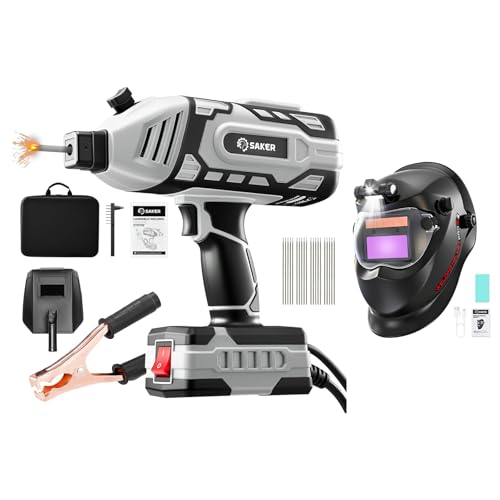
A handheld stick rig packed together with an auto-darkening hood, ready for cracked mower decks, iron pipe, and sagging gate latches.
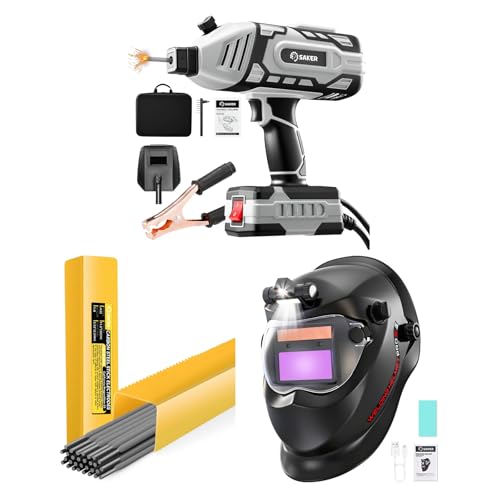
This small stick welder packs along with an auto-darkening hood and a bundle of low-carbon steel rods for the shop bench.
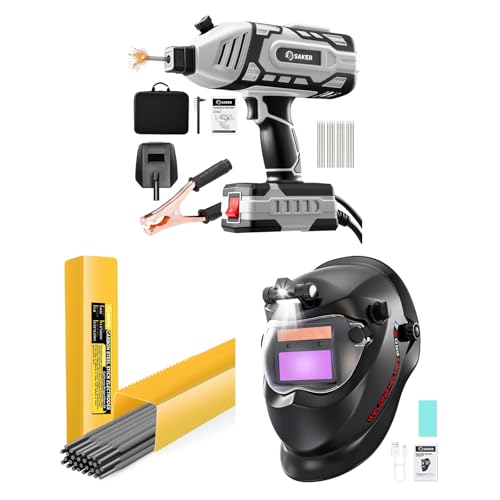
A portable stick welder bundled with a pack of low-carbon steel rods and a true-color viewing helmet ready for the garage bench.
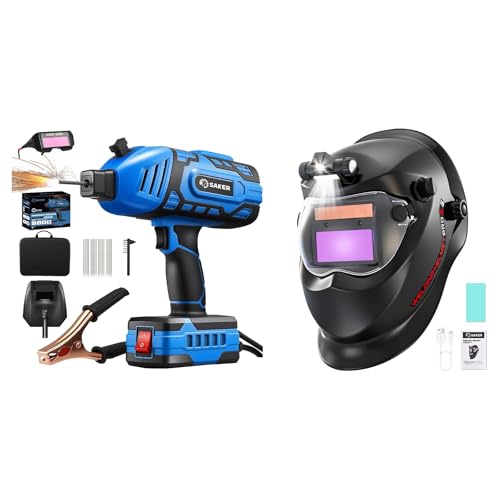
A small stick welder and an auto-darkening hood packed into one case, ready for the broken gate latch and the mower deck crack.
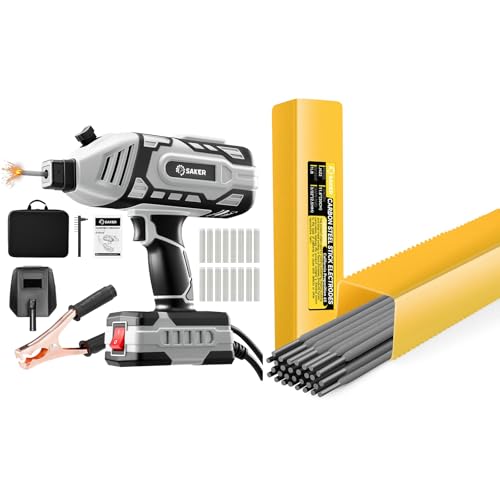
A handheld welder packed with a supply of electrodes and a small starter bundle of low-carbon steel rods for the shop bench.
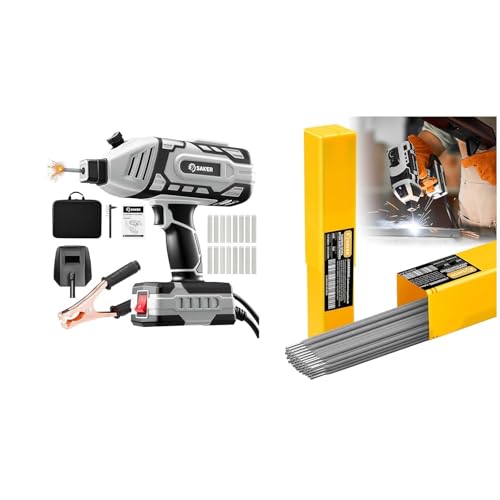
A portable stick welding unit packed with eighty starter rods and a two-pound supply pack so you can make repairs right out of the crate.
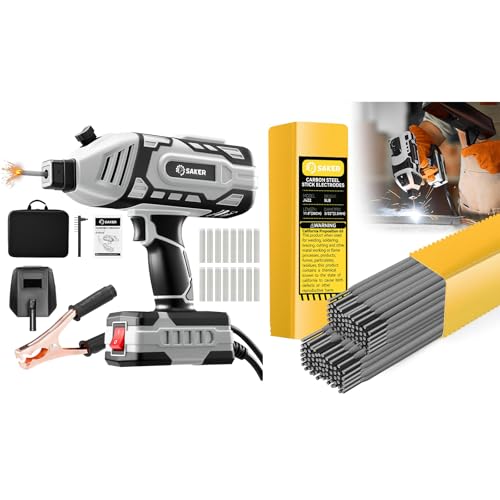
This handheld stick gun packs enough electrodes for several seasons of gate repairs, broken mower decks, and rusted bracket work.
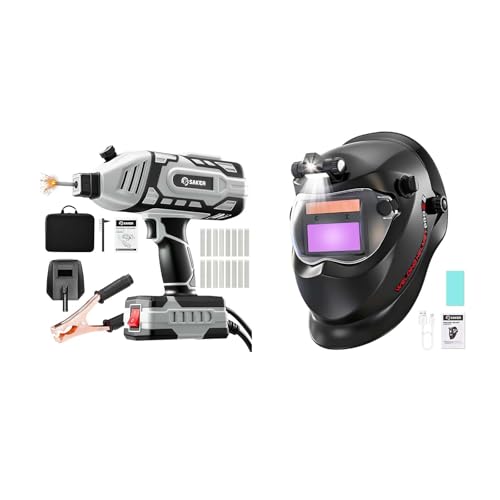
A portable handheld welder packed alongside a darkening hood and rods, so the whole setup sits ready on the garage bench in one box.
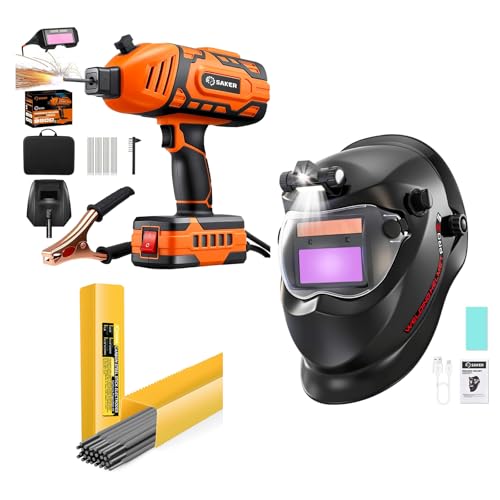
A handheld stick welder in orange paired with an auto-darkening helmet and a pack of rods for repairing ironwork right on the bench.
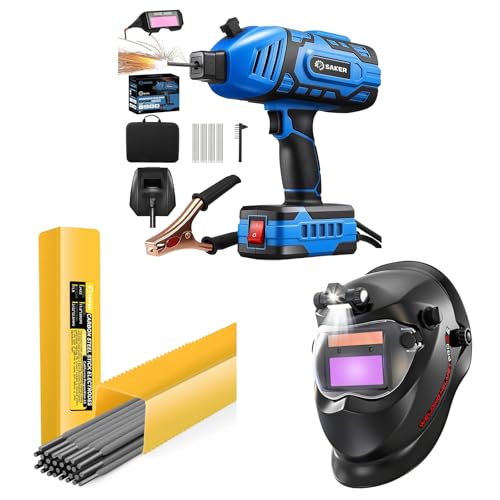
A small blue stick welder packed together with a true color viewing helmet and starter rods for broken brackets and gate latches.
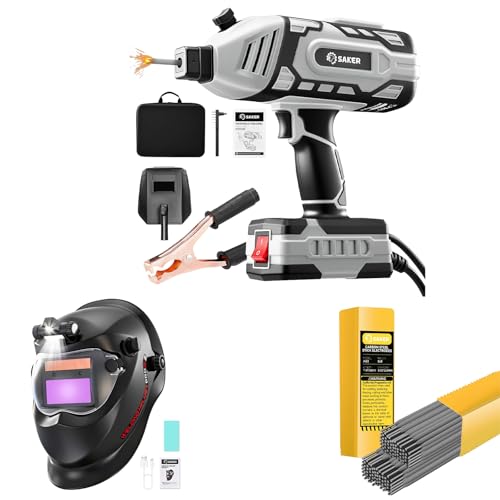
A handheld stick rig packed with a full bundle of general steel rods and a true color view helmet so the job can start at the bench.
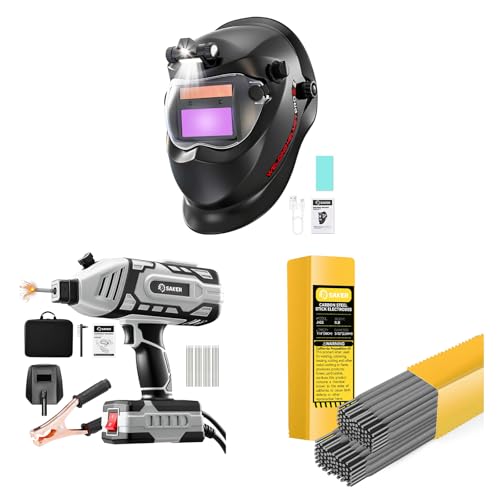
A small stick welder packed with an auto-darkening hood and a bundle of rods so you can strike an arc the day the box lands.
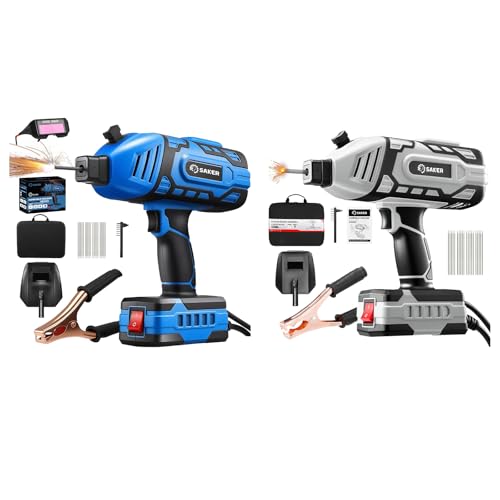
Two small stick machines in gray and blue keep one ready at the bench and another in the trunk for gate latches and iron repairs.
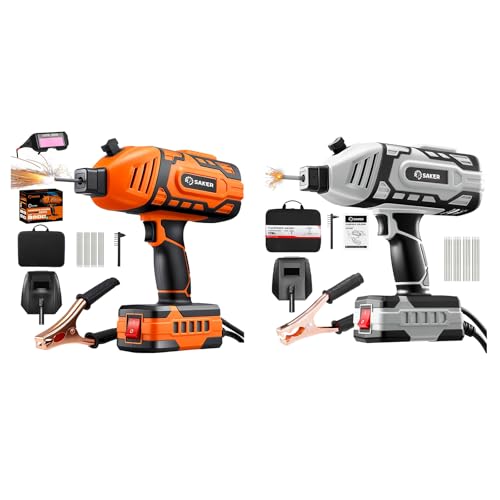
Two handheld stick welders in gray and orange pack into one box, giving you a pair of compact arc guns for gate latch and angle iron repairs.
Contour gauges, folding rules, angle finders and marking tools that copy a shape onto a plank before the saw touches it.
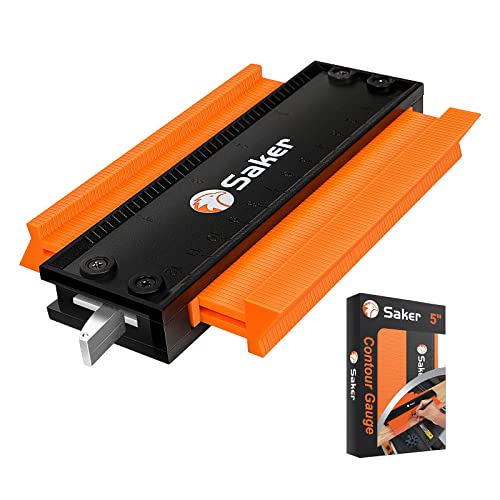
Press the teeth against baseboard trim or odd pipe runs, throw the clamp, and carry the exact profile back to your workbench.
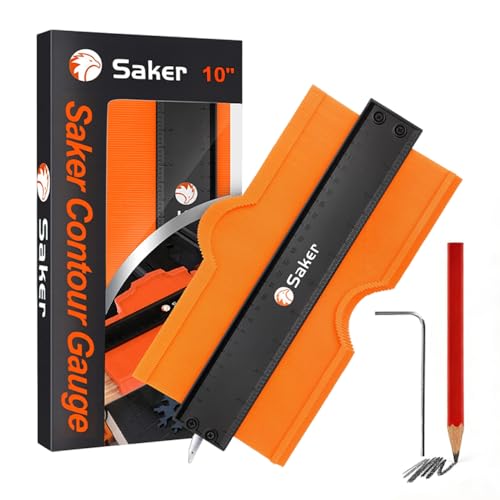
A row of flat plastic teeth that presses against door casings, pipe curves, and uneven baseboards to lock the profile for a pencil trace.
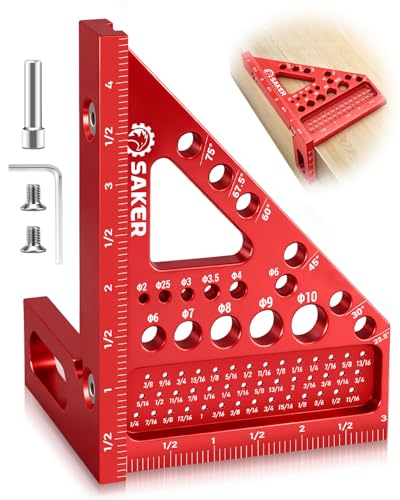
A machined aluminum layout square that wraps three faces of a board at once, holding preset angles and scribing lines without repeated flipping.
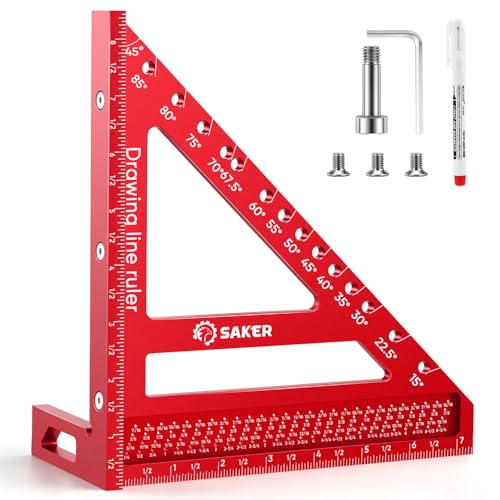
Anodized aluminum layout square with three scaled edges and a hidden indexing pin for setting angles across your stock.
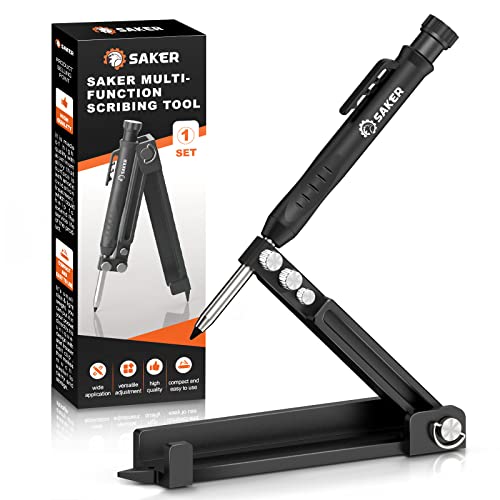
Run an accurate scribe line along wavy baseboards, unlevel floors, and odd gaps using a locking aluminum body that rides in a pocket.
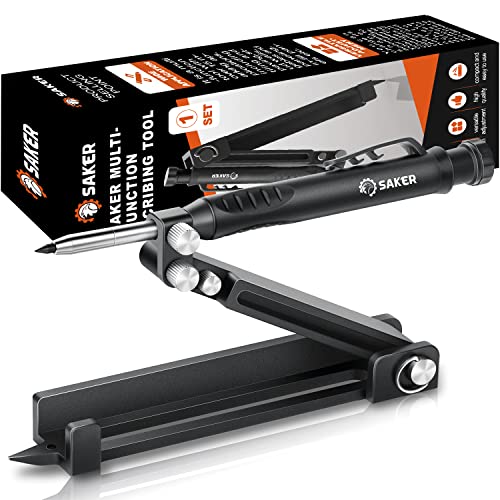
Mark uneven walls, scribe parallel lines, and trace tight arcs using an aluminum body that clips straight to your belt or pocket.
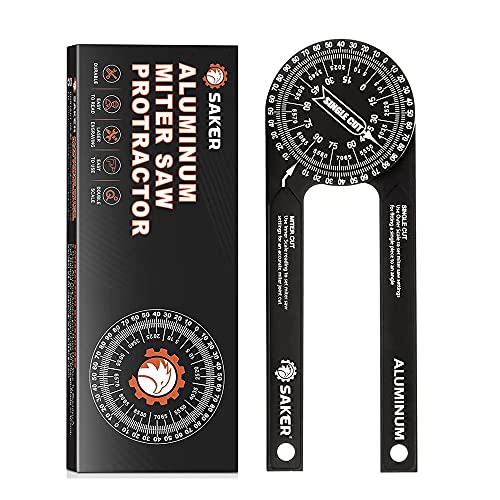
An aluminum dial that takes the guesswork out of trim cuts by reading corner angles and showing the exact miter saw setting.
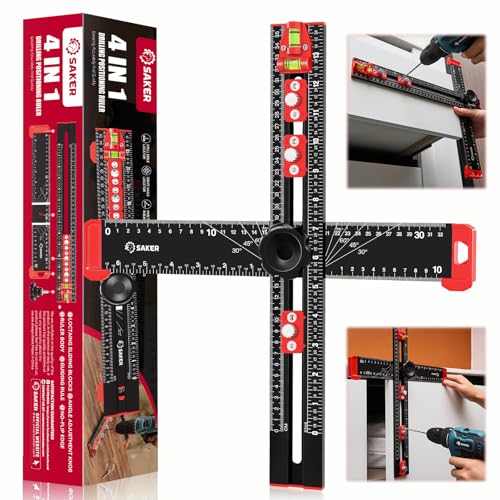
Line up repeated drill holes and check level on cabinet faces without measuring each bore by hand from scratch.
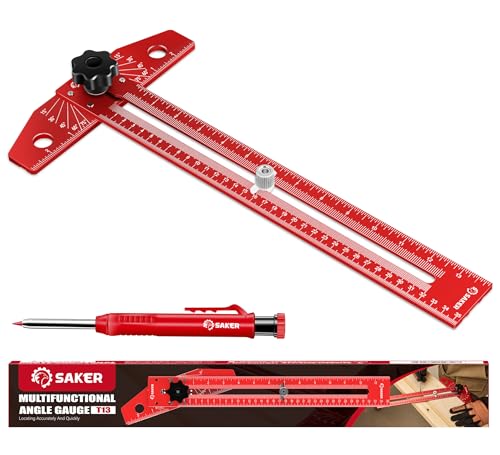
An aluminum rule and protractor head that locks down with a thumb nut for laying out lines, finding angles, and setting saw bevels across the bench.

Press the plastic pins against a baseboard or copper pipe, throw the side lever to freeze the shape, and trace the cut line onto your stock.
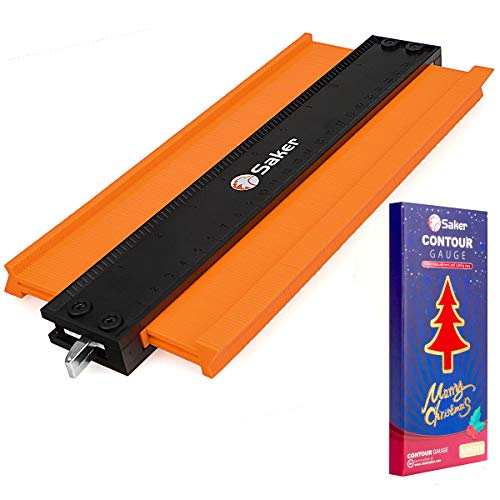
Push the teeth against the baseboard or pipe, throw the clamp, and trace the curve straight onto your board.
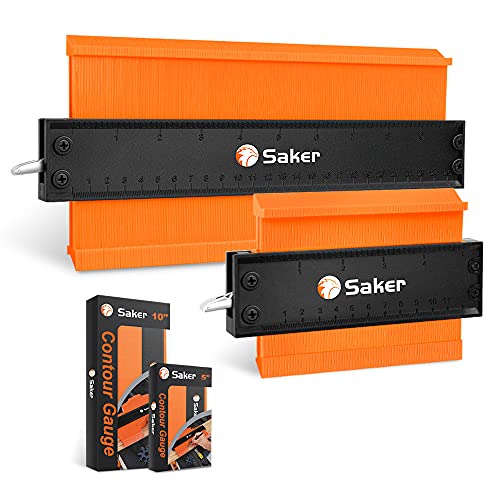
Two gauges in two lengths to press against baseboard trim, copper supply lines, or wheel arches and transfer the line to your stock.
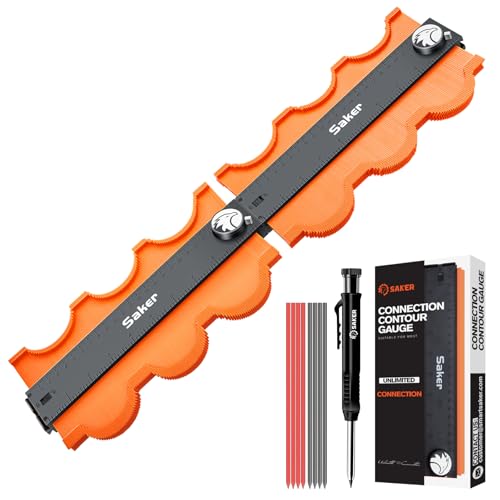
Two connecting contour profiles and a deep hole pencil capture complex baseboard, duct, and pipe shapes across wide boards in one pass.
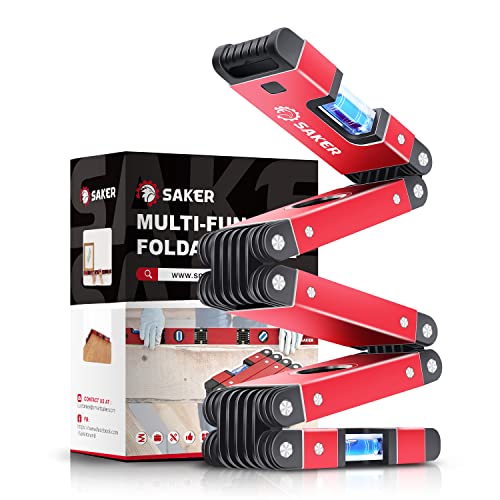
A hinged aluminum level that bends around posts, corners, and pipes, then folds into a tight block for the toolbox tray.
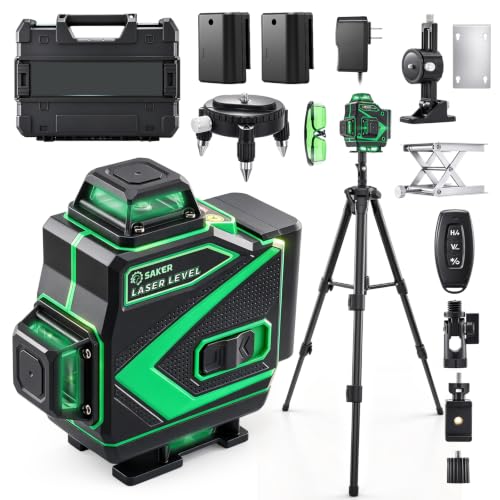
Bright green cross lines cover the entire room while the internal pendulum finds plumb and true level across bare subfloors.
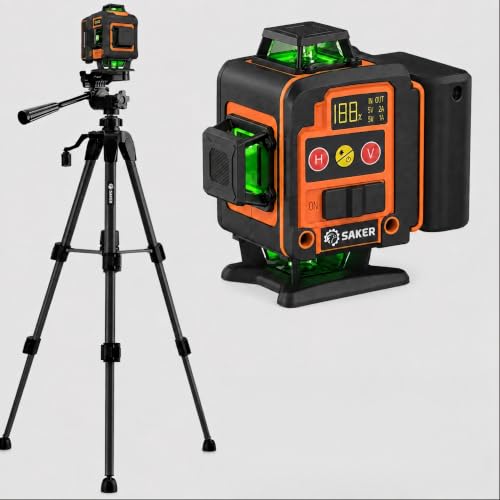
Four green planes wrap the walls, floor, and ceiling while the included tripod holds your working height off the subfloor.
Small stick welders, torch heads and the gear for joining, heating and freeing metal in a home garage.
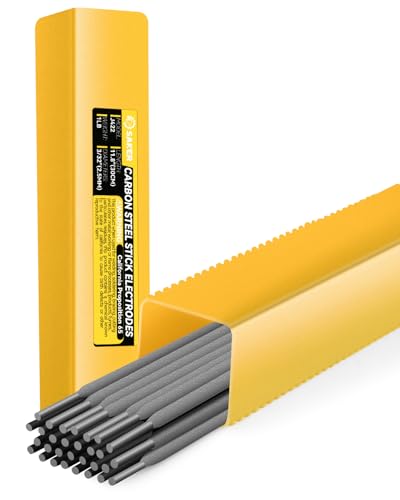
Smooth general purpose steel electrodes that strike quickly on AC or DC and leave light slag that chips away with a wire brush.
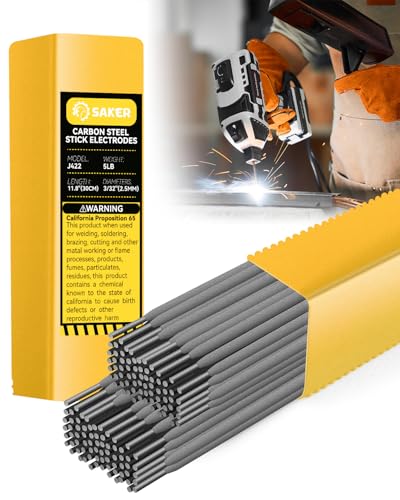
These general mild steel electrodes strike easily on smaller home welders and leave a smooth bead across awkward joints.
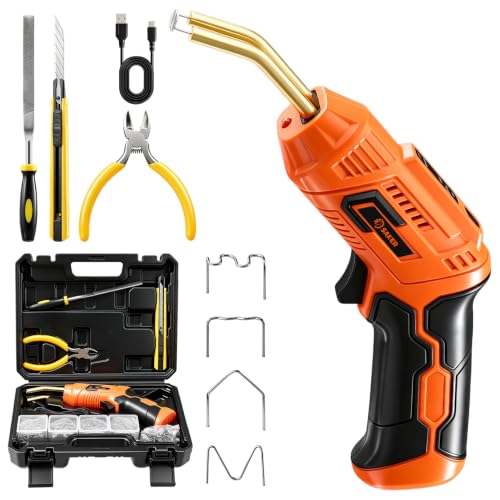
Melt reinforcing staples straight across cracked bumpers, lawn tractor hoods, and split buckets without dragging an extension cord across the driveway.
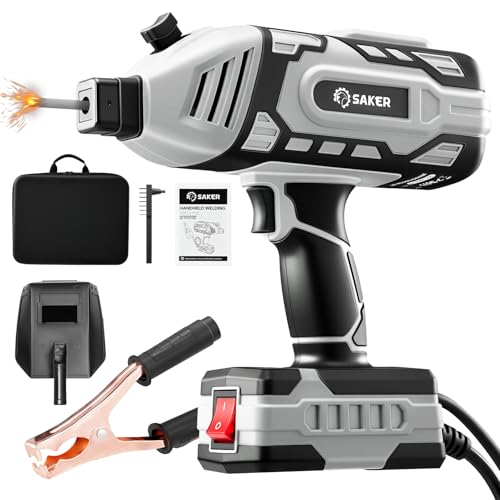
A handheld stick welder with five dialed output steps for tacking scrap iron, fixing broken brackets, and running short beads at the bench.
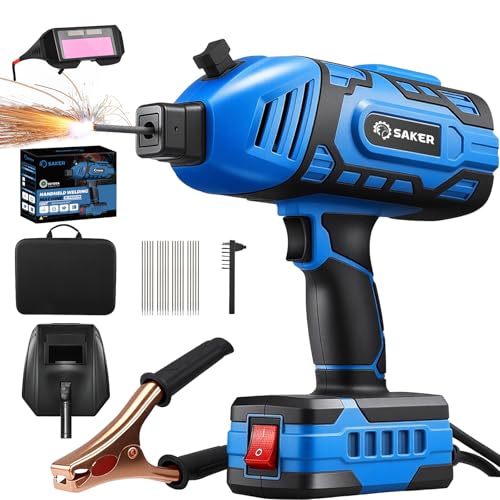
A handheld stick welder built around an inverter core, sized to carry out to the gate hinge or the trailer tongue with one hand.
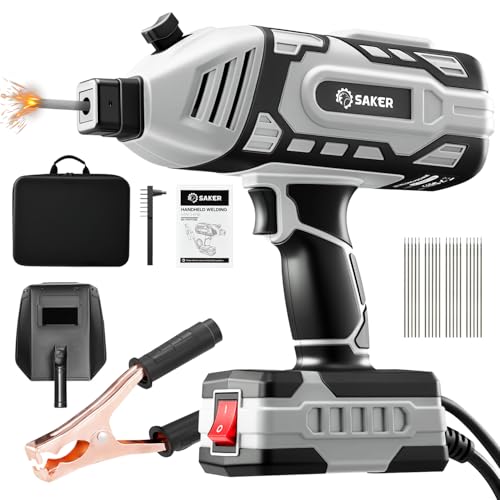
A handheld stick welder with a built-in gun grip and dial adjustment for quick farm gate repairs and bench work.
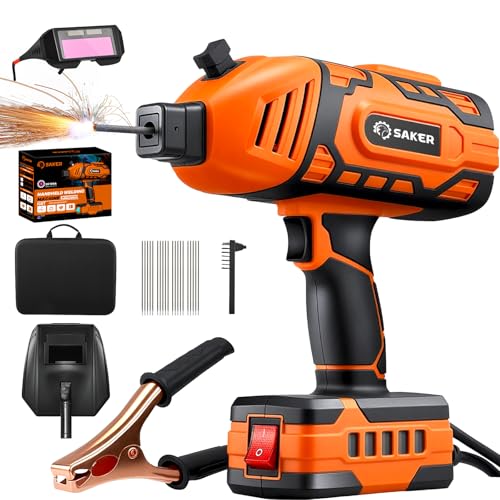
This small orange stick welder runs off a common outlet, starts an arc without sticking, and sits on the shop bench without taking the whole top.
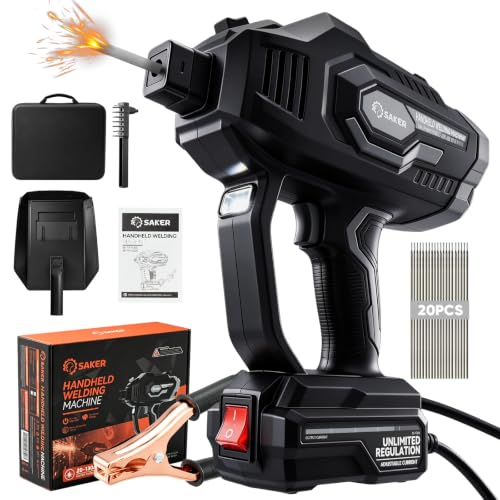
A handheld stick welder that runs off a standard household outlet for quick repairs on gates, brackets, and farm iron.
Short bar saws for limbs, storm cleanup and firewood rounds, with the chains, bars and files that keep them cutting.

A cordless grinder with preset angle guides to dress dull chain teeth right on the bar without dragging an extension cord across the yard.
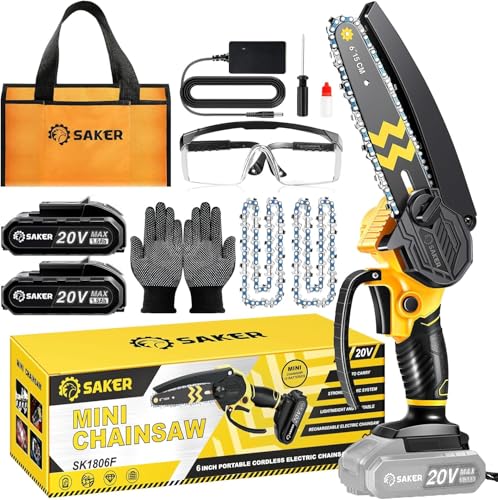
A handheld cordless chain saw built with a copper motor to clear fallen limbs and prune fence rows without cords trailing behind.
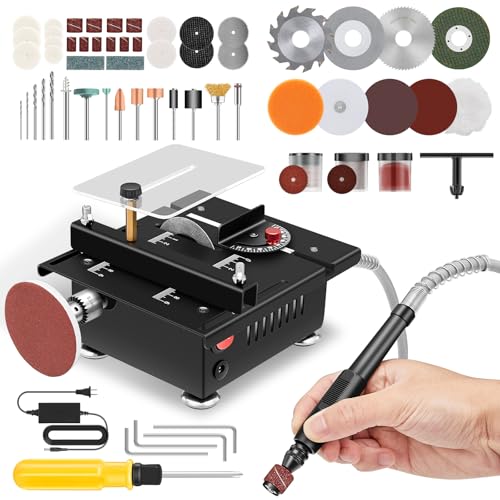
Small desktop saw built for trimming model stock, thin boards, copper pipe, and plastic without setting up a full bench saw.
The bench is where a job slows down enough to be done properly. Nothing is urgent there, the light is good and the piece is held still, so this is the page for tools that reward a bit of setup.
It covers three stages in a row. Laying out with rules, gauges and angle finders. Making the joint with drivers, jigs and a small welder for metal. Then upkeep, which is filing a chain, dressing a blade and putting the edge back on the things that lost it during the week.
The bar length on our mini chainsaw is not the limb thickness it handles. Here is where the line really falls, and what happens past it.
One number sets how hard a tool pulls, the other sets how long. Also the part most brands skip: our packs are not one family.
The tool that turns a door casing into a pencil line. How to press it, when to lock it, and which length to reach for.
A dull chain makes dust instead of chips and asks you to push. What the angles mean, and why touching up beats grinding.
What a 110V inverter and a box of E6013 will and will not do in a home garage, and how to keep the breaker out of it.
Thirty identical holes, drilled once. How the jig sets centers and edge distance, and the order that keeps a run of doors matching.
Answer two questions about what is in front of you and the finder points at the shelf that handles it.