 SAKER
SAKER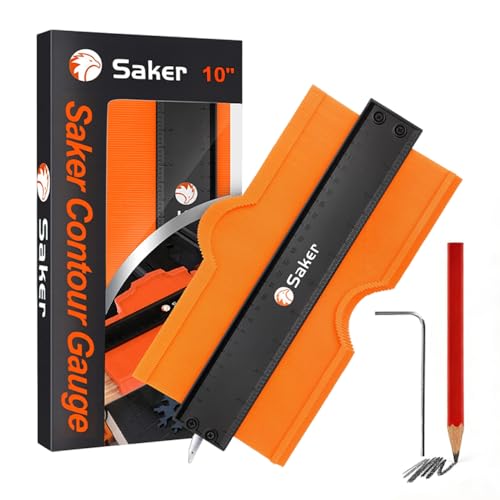
Contour Gauge 10-Inch with Lock
A row of flat plastic teeth that presses against door casings, pipe curves, and uneven baseboards to lock the profile for a pencil trace.
$19.994.6 out of 5 22,735 ratings
Cutting flooring around a radiator pipe or scribing molding against uneven plaster usually takes three tries with a piece of scrap cardboard. We molded these pins from tough plastic that slides smooth and locks firm with one latch. When one run is too short for a wide doorway, snap another gauge onto the end.
Price and stock live with the storefront and can move between visits.

Press the row flat against baseboard curves, heater pipes, or car panels. Each tooth slides independently to catch the contour, and the clamp lever holds the whole profile while you walk over to the workbench.
Longer steps and wide doorway casings outgrow a single gauge quickly. The ends hook together so you can link multiple units into one continuous line, taking wide profiles in a single pass without resetting your mark.
Lay the locked teeth directly over your tile, vinyl plank, or plywood sheet. Run a pencil along the plastic profile to transfer the exact cut line, keeping your waste pile smaller when fitting around awkward corners.
The ABS teeth slide without binding against rough trim or greasy steel, and they will not rust if left out in a damp garage. The pencil, ruler, and cutting jig stay on your side of the bench.
| Tool shelf | Measuring and marking |
|---|---|
| Where it works | At the workbench, Around the house |
| Size | 10 in |
Payment, delivery and returns run at the storefront, under its own rules.
A row of flat plastic teeth that presses against door casings, pipe curves, and uneven baseboards to lock the profile for a pencil trace.
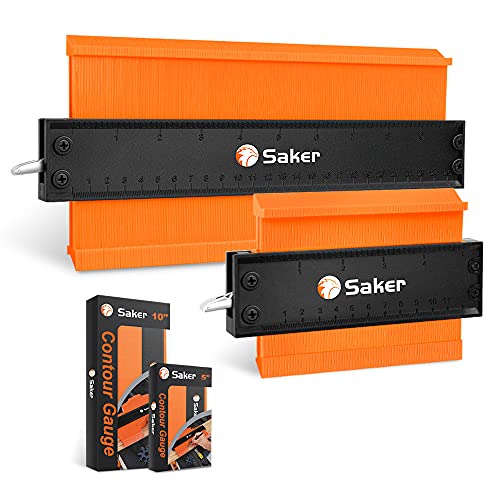
Two gauges in two lengths to press against baseboard trim, copper supply lines, or wheel arches and transfer the line to your stock.
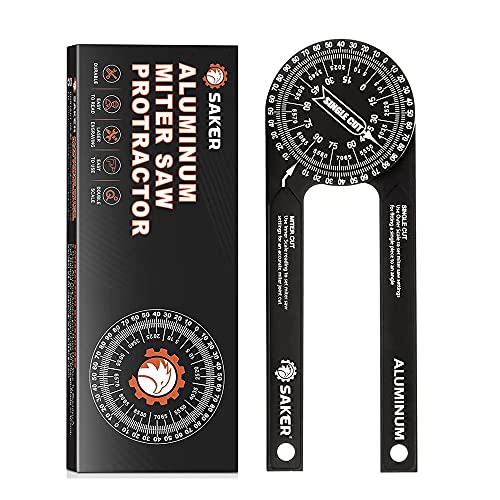
An aluminum dial that takes the guesswork out of trim cuts by reading corner angles and showing the exact miter saw setting.
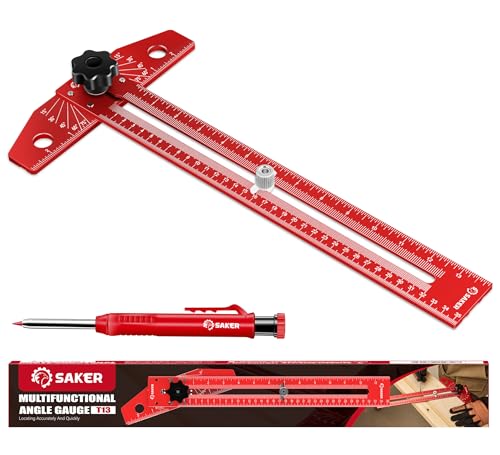
An aluminum rule and protractor head that locks down with a thumb nut for laying out lines, finding angles, and setting saw bevels across the bench.
Press the plastic pins against a baseboard or copper pipe, throw the side lever to freeze the shape, and trace the cut line onto your stock.