 SAKER
SAKER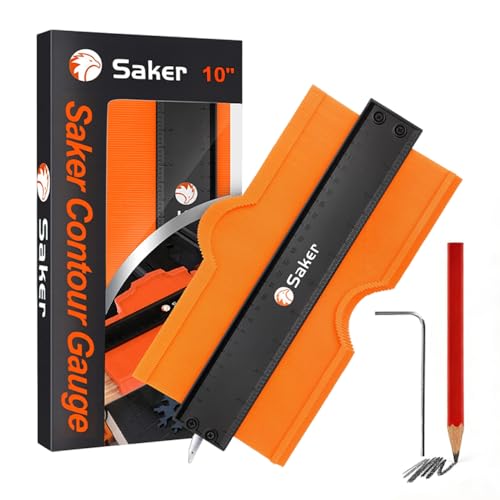
Contour Gauge 10-Inch with Lock
A row of flat plastic teeth that presses against door casings, pipe curves, and uneven baseboards to lock the profile for a pencil trace.
$19.994.6 out of 5 22,735 ratings
Old drywall is rarely flat and floorboards wander. We machine the body from aluminum alloy with an anodized finish so the joints hold firm against the wood while you trace an edge. Tighten the knurled nut, set the pencil tip, and drag the guide along the trim.
Price and stock live with the storefront and can move between visits.
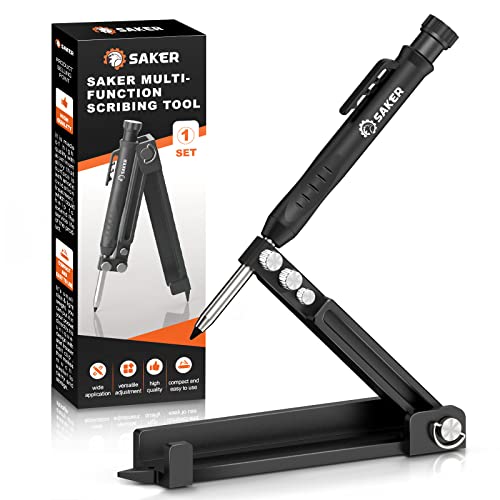
Loose adjustments ruin a line halfway down a wall. The thumbscrew clamps down on the pivot point so the offset stays fixed while you walk the tool along paneling or tile.
You need both hands to hold a board against the wall before you mark it. A metal clip slips over your belt or front pocket so the tool stays within reach between cuts.
Change the arm layout to match the cut you need. The guide follows wavy plaster for direct scribing, sweeps round contours, or traces parallel marks along straight stock.
Etched lines along the frame let you dial in the offset distance before locking the nut. You bring your own standard pencil or scribe tip to seat in the holder.
| Tool shelf | Measuring and marking |
|---|---|
| Where it works | At the workbench |
| Size | 5.5 in |
Payment, delivery and returns run at the storefront, under its own rules.
A row of flat plastic teeth that presses against door casings, pipe curves, and uneven baseboards to lock the profile for a pencil trace.
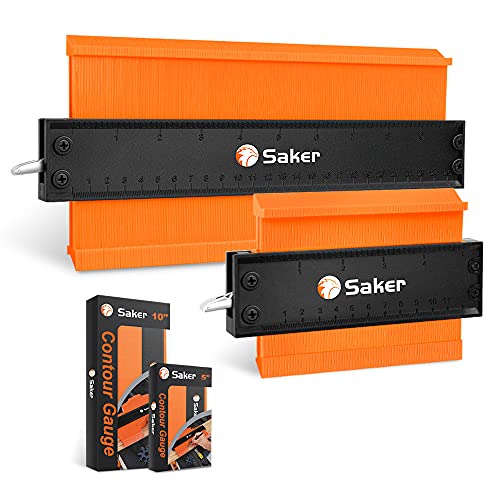
Two gauges in two lengths to press against baseboard trim, copper supply lines, or wheel arches and transfer the line to your stock.
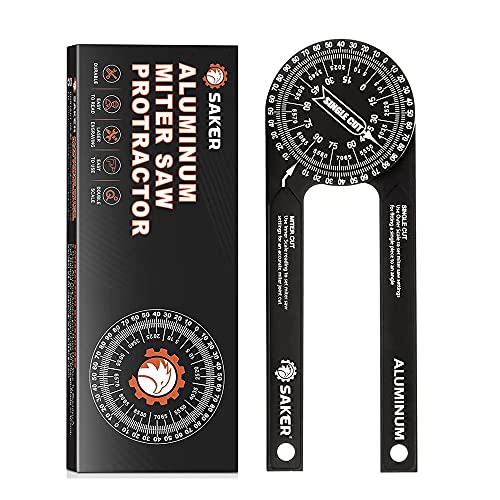
An aluminum dial that takes the guesswork out of trim cuts by reading corner angles and showing the exact miter saw setting.
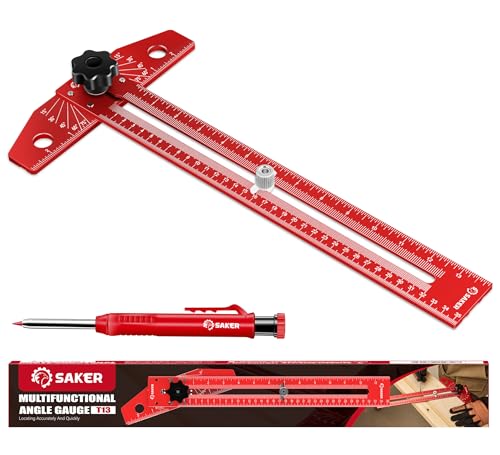
An aluminum rule and protractor head that locks down with a thumb nut for laying out lines, finding angles, and setting saw bevels across the bench.
Run an accurate scribe line along wavy baseboards, unlevel floors, and odd gaps using a locking aluminum body that rides in a pocket.